

Introduction
If you want to grow an online business, one of the first questions that often comes to mind is what is a digital marketing roadmap and why it is important. In today’s highly competitive digital landscape, simply creating a website is no longer enough to achieve success. Businesses must follow a structured approach that helps them attract the right audience, generate leads, and convert those leads into paying customers.
A digital marketing roadmap acts as a strategic blueprint that guides businesses in planning, executing, and optimizing their marketing efforts. It provides clarity on what actions to take, which channels to use, and how to measure performance effectively.
Without a proper roadmap, businesses often waste time and resources on random marketing activities that fail to deliver consistent results. However, with a well-defined plan, companies can streamline their efforts and achieve sustainable growth.
If you are serious about building a strong online presence, you can also explore more strategies on our official website:
In this guide, you will learn what is a digital marketing roadmap, why it is essential, and how to create a step-by-step strategy to grow your online business successfully in 2026.
What Is a Digital Marketing Roadmap?
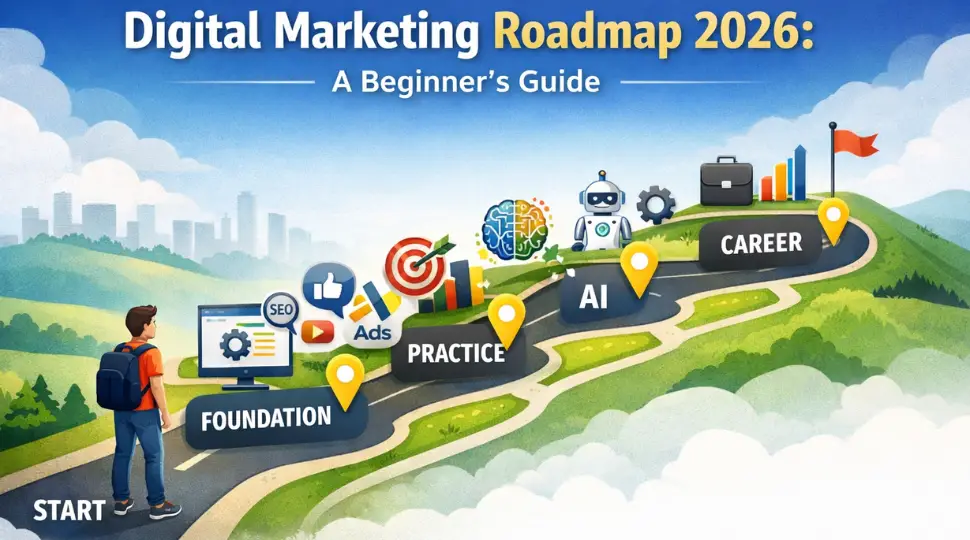
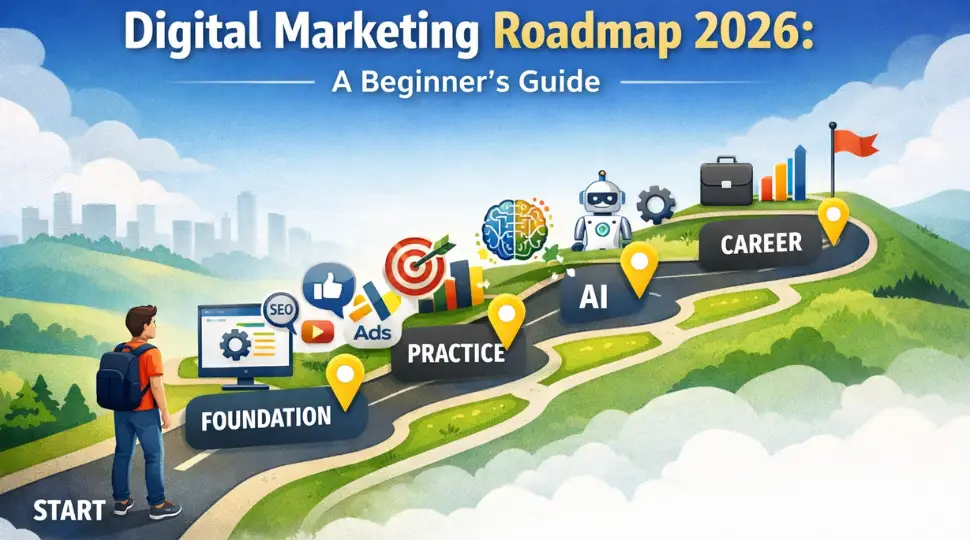
To fully understand what is a digital marketing roadmap, think of it as a structured and actionable plan that outlines how a business will promote its products or services online.
A digital marketing roadmap is a step-by-step strategy that defines the tools, techniques, and marketing channels a business will use to achieve its goals. It ensures that every marketing activity is aligned with business objectives and delivers measurable results.
This roadmap typically includes:
- Clearly defined business and marketing goals
- Target audience research and segmentation
- Keyword research and SEO strategy
- Content marketing plan
- Selection of marketing channels
- Campaign planning and execution
- Performance tracking and optimization
When businesses clearly understand what is a digital marketing roadmap, they can avoid guesswork and focus on strategies that actually work. It helps in building a strong foundation for long-term online success.
Why a Digital Marketing Roadmap Is Important
Many businesses fail in digital marketing because they do not follow a proper plan. They post content randomly, run ads without strategy, and expect immediate results. This approach often leads to poor performance and wasted budget.
Understanding what is a digital marketing roadmap helps businesses create a focused and result-oriented marketing strategy.
Clear Direction
A roadmap provides a clear path for all marketing activities. Instead of trying different tactics without planning, businesses can follow a structured approach.
Better Resource Management
Time, budget, and effort are limited resources. A well-defined roadmap ensures that these resources are used efficiently and effectively.
Improved Return on Investment
When marketing efforts are properly planned, businesses can focus on high-performing channels and strategies, which leads to better ROI.
Consistent Growth
Consistency is key in digital marketing. A roadmap ensures that businesses publish content regularly, engage with their audience, and optimize their strategies over time.
Data-Driven Decision Making
With proper tracking and analytics, businesses can measure performance and make informed decisions. This reduces risks and increases success rates.
Key Components of a Digital Marketing Roadmap
A successful digital marketing roadmap consists of several essential components that work together to achieve business goals.
1. Goal Setting
The first step in building a roadmap is defining clear and measurable objectives. Without goals, it is impossible to measure success.
Common marketing goals include:
- Increasing website traffic
- Generating high-quality leads
- Improving brand awareness
- Boosting online sales and conversions
Setting clear goals helps businesses understand what is a digital marketing roadmap in a practical and actionable way.
2. Target Audience Research
Understanding your audience is one of the most important aspects of digital marketing. If you do not know who your customers are, your marketing efforts will not be effective.
Key factors to consider:
- Demographics (age, gender, location)
- Interests and preferences
- Online behavior and search patterns
- Problems and pain points
When you have a clear understanding of your target audience, you can create personalized marketing campaigns that drive better results.
3. Keyword Research and SEO Strategy
Search engine optimization (SEO) is a fundamental part of any digital marketing roadmap. It helps businesses rank higher on search engines and attract organic traffic.
An effective SEO strategy includes:
- Identifying primary and secondary keywords
- Using LSI keywords naturally in content
- Optimizing website structure and pages
- Improving technical SEO (site speed, mobile optimization)
- Building high-quality backlinks
A strong SEO foundation ensures long-term visibility and sustainable traffic growth.
4. Content Marketing Strategy
Content is the backbone of digital marketing. It helps businesses attract, engage, and convert their audience.
A well-planned content strategy may include:
- Blog posts and articles
- Educational guides and tutorials
- Videos and short-form content
- Social media posts
- Infographics and visual content
High-quality content not only improves SEO but also builds trust and authority in your niche.
You can also refer to professional website frameworks like
https://bosathemes.com/bosa-digital-agency/
to understand how structured digital marketing layouts and strategies are implemented.
5. Marketing Channel Selection
Not all marketing channels are suitable for every business. Choosing the right channels is essential for success.
Common digital marketing channels include:
- Search Engine Optimization (SEO)
- Social Media Marketing
- Email Marketing
- Pay-Per-Click Advertising (PPC)
- Content Marketing
Selecting the right mix of channels ensures that your message reaches the right audience at the right time.
6. Performance Tracking and Analytics
Tracking performance is crucial for understanding what works and what does not.
Important tools include:
- Google Analytics
- Google Search Console
- SEO tools like Ahrefs and SEMrush
- Social media analytics platforms
These tools provide valuable insights into user behavior, traffic sources, and conversion rates.
How to Create a Digital Marketing Roadmap
Creating a digital marketing roadmap requires a systematic and strategic approach.
Step 1: Define Business Objectives
Start by identifying your goals. Make sure they are specific, measurable, achievable, relevant, and time-bound.
Step 2: Conduct Market and Competitor Research
Analyze your competitors to understand their strategies and identify gaps in the market.
Step 3: Choose the Right Marketing Channels
Select channels based on your target audience and business model.
Step 4: Develop a Content Plan
Create a content calendar that includes blog posts, videos, and social media content.
Step 5: Implement SEO and Marketing Strategies
Optimize your website, publish valuable content, and promote it across different platforms.
Step 6: Monitor and Optimize
Regularly analyze your performance and make improvements to your strategy.
By following these steps, businesses can clearly understand what is a digital marketing roadmap and use it effectively to achieve their goals.
Common Mistakes to Avoid
Even with a roadmap, businesses often make mistakes that reduce effectiveness.
Some common mistakes include:
- Not setting clear goals
- Ignoring audience research
- Neglecting SEO strategies
- Inconsistent content publishing
- Not tracking performance data
Avoiding these mistakes can significantly improve your marketing results.
Best Tools for Digital Marketing Roadmap
Using the right tools makes it easier to plan and execute your marketing strategies.
Popular tools include:
- Google Analytics for tracking performance
- SEMrush for keyword research
- Ahrefs for backlink analysis
- Canva for content design
- Mailchimp for email marketing
These tools help create a strong and efficient online marketing plan.
Future of Digital Marketing Roadmap in 2026
Digital marketing is constantly evolving, and businesses must adapt to stay competitive.
Key trends to watch:
- Increased use of artificial intelligence
- Automation of marketing processes
- Personalized customer experiences
- Data-driven decision making
- Integration of multiple marketing channels
Understanding what is a digital marketing roadmap will help businesses stay ahead and adapt to future changes.
Conclusion
A digital marketing roadmap is essential for any business that wants to succeed online. It provides a clear direction, helps manage resources effectively, and ensures consistent growth.
When businesses understand what is a digital marketing roadmap, they can avoid random marketing efforts and focus on strategies that deliver long-term results.
With proper planning, execution, and continuous optimization, a well-structured roadmap can significantly improve online visibility, increase traffic, and boost conversions.